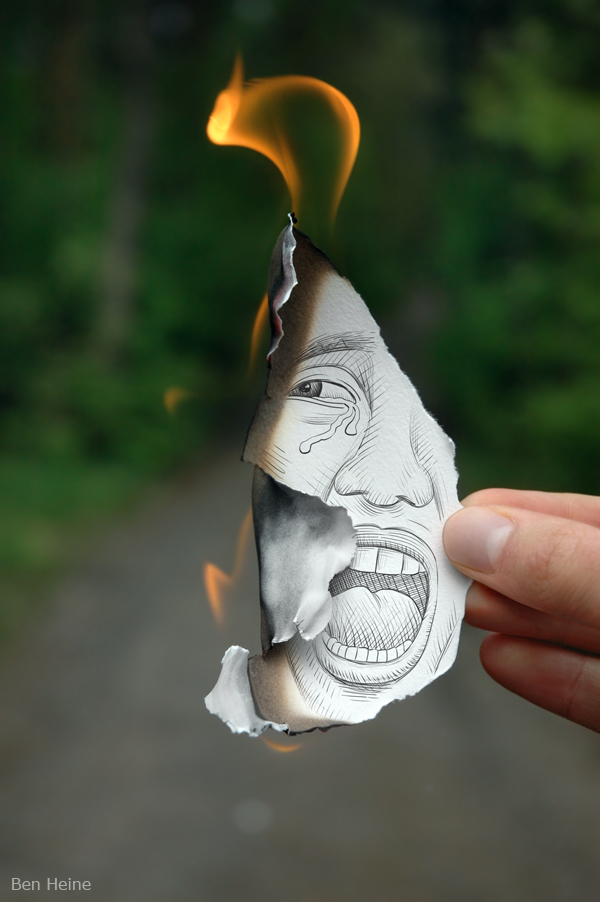
Pencil vs. Camera

For some artists ordinary drawing is just not enough exciting so they decide to take some extreme efforts in creating something completely different and unique.
Ben Heine is one of those brave artists who do not afraid to try to do impossible things. 
Of course, his drawings are far away from impossible but at least, you shall agree with us when we say that his artworks are extremely hard to achieve.

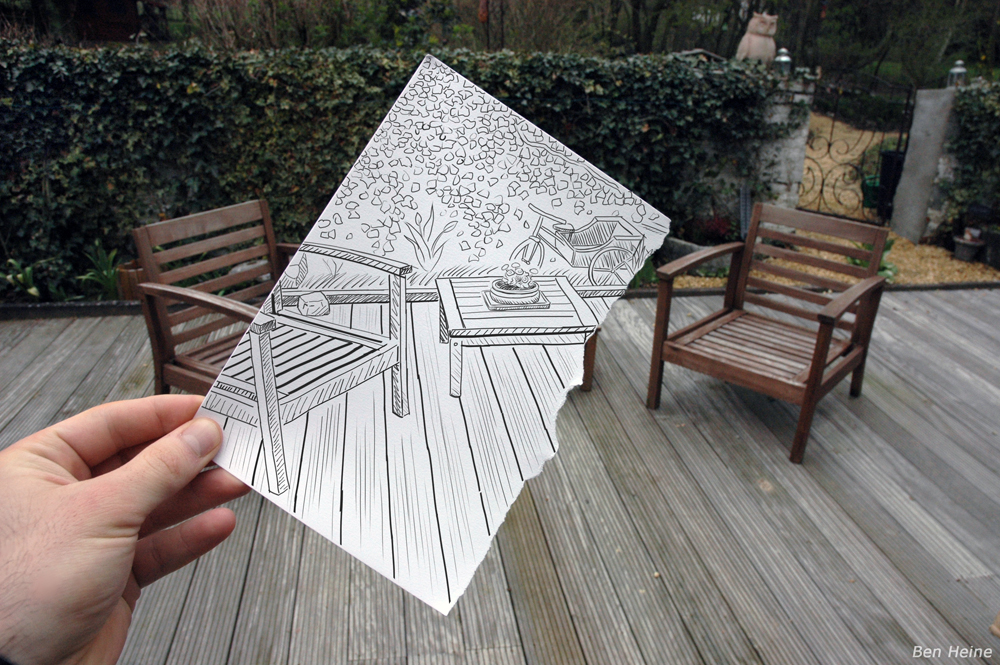
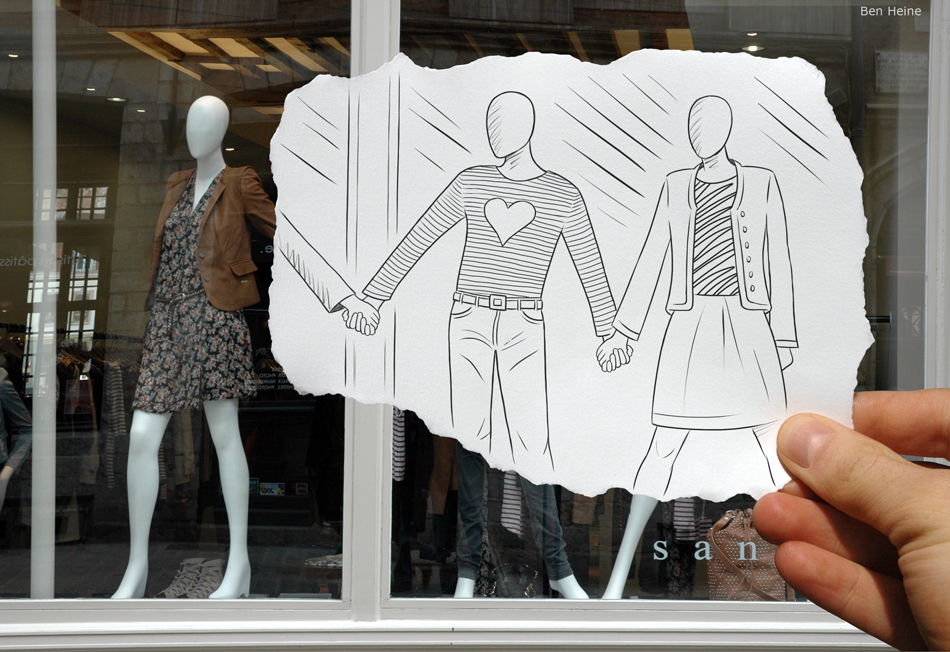
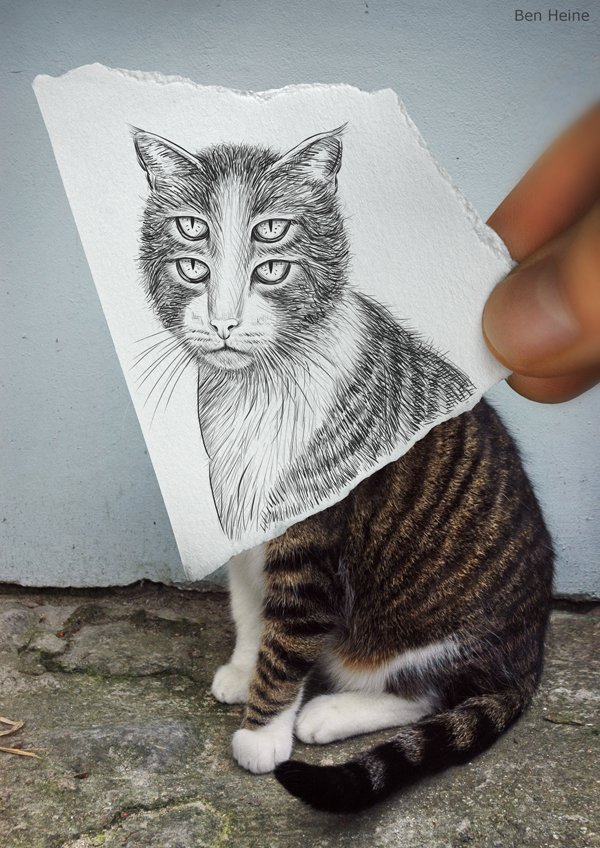
In order to create his artwork, Ben has to be very good in three things: drawing, balancing or positioning and photographing.
His artworks contain all of these three skills combined together and he have to be perfectly precise while doing that because if one of those skills are not good enough, his artwork cannot be completed.
We have collected a few of his masterpieces where you can see how Ben combines the real word and the world of painting in his unique way.




UNSUNG HEROES: Steve McCurry Photography

Today is August 19th, World Humanitarian Day. Seems like a good time to shine a light on health workers of the world,  the unsung heroes who run toward disasters when everyone else is running away.


These are the people who deliver babies, comfort the dying, treat the sick, and put themselves in harm’s way. 
Health workers risk their lives when they treat people with drug-resistant TB, Ebola, Marburg, and injured people in war zones.   They refuse to give up even when it looks like all hope is lost.


ALAIN QUILICI SPRING 2010 COLLECTION


Artist, singers, designers, they all try, year by year, to create the ultimate fashion item which will be answering the magic question. Among the fashion’s visionaries who definitely found at least a part of the answer is shoe designer Alain Quilici.

Alain Quilici is on a major quest: observing, artistically translating and creating something innovative. Inspired by most things surrounding him, but mostly by design, cinema and art, Alain Quilici is at his third shoe collection and he’s not about to stop here.
Describing his work as post-grunge, the shoe designer clearly feels the influence of artistic futurism, while the shoes look amazing.


Focusing more on neutral colors, Quilici has designed sculptural, architectural wedges, continuing his kind of shoe visions developed since 2007, the moment he released his first shoe line.

Esthetics can only be matched in his designs with the right materials. In this collection, like in all the others, shoe designer Alain Quilici has focused on calf skin, matte, glazed or tanned, and on impermeable kangaroo leathers.
This line of shoes continues an older dialogue between shoes and art, mostly Asian cinema, the artist being able to translate all he sees in an artistic interpretation. Wearing one of Alain Quilici’s shoes makes you one smart, intellectual, trendy and clearly a sexy woman.


Steve McCurry (www.stevemccurry.com) is a master image-maker renowned for capturing the human consequences of war and civil conflict in color-soaked portraits and photojournalistic scenes. His award-winning portraiture showing war's impact on the human face has appeared in most major magazines worldwide. McCurry has published many books, including In the Shadows of Mountains, Looking East, Steve McCurry, The Path to Buddha: A Tibetan Pilgrimage, Sanctuary, South Southeast, Portraits, Monsoon, and The Imperial Way. Between assignments, he conducts international workshops and prepares large prints for his exhibitions around the world.

McCurry's most recognized photo is that of "Afghan Girl", a previously unidentified Afghan refugee. The image itself was named as "the most recognized photograph" in the history of the National Geographic magazine and her face became famous as the cover photograph on the June 1985 issue. The photo has also been widely used on Amnesty International brochures, posters, and calendars. The identity of the "Afghan Girl" remained unknown for over 15 years until McCurry and a National Geographic team located the woman, Sharbat Gula, in 2002.


Steve McCurry: 
Worldwide Workshops 
Every year for the past 10 years, I’ve conducted photography workshops all over the world—Burma, India, Tibet, Morocco, Tahiti. I organize them personally. We have a two-week workshop coming up in March 2009 in India. I’ll be taking my H3DII and Nikon D3s. The people who come to our workshops have a passion for photography and want to take their work to another level. We show them how I would approach a place or subject, so they can learn to develop their own approach. We go over the principles of how you work in this or that light, and work with shapes and forms, etc. It’s about discovering what is unique about a place and how to get a sense of the place in pictures. Everybody has a different idea of what an interesting picture looks like, but I think we know an interesting picture when we see it.

Some people don't really understand the level of commitment that's required at the workshops. We go out and shoot in the morning, have lunch, shoot after lunch, and keep shooting until it gets dark. Once they’re actually there on the ground working with the people, things start to make sense and the message starts to emerge.

Each day, we put together a slide show and look at everybody’s work together on our laptops, talk about what’s good, how it could have been done better, and so on. When we look at the pictures, hopefully, we’ll be amazed and moved. Emotion. That’s what it’s about.


top